

Dave, a rising professional in a new-generation bank in Lagos, Nigeria, was steadily climbing the corporate ladder. With promising prospects for a prosperous future, Dave made a drastic decision: he paid ₦40 million (approximately £20,000) to secure a student visa, intending to relocate his entire family to the UK permanently. He made this decision against the advice of his younger brother, who not only lived in the UK already but also warned him about the challenges ahead.
Dave never listened; instead, he blamed his brother for discouraging him from pursuing a better life. Unfortunately, his student visa expired within 18 months of arrival, before his family had even settled. His wife struggled to find work, and their children were barely beginning to integrate into the education system. To make matters worse, two of his children were due for university, and they now faced exorbitant international tuition fees with no financial support from the UK government. Frustration quickly set in, and the harsh reality of migration began to unfold.
Migration has become a pressing issue globally. While some migrate for education, medical reasons, family reunification, or leisure, many seek refuge from poverty, insecurity, and poor governance. In many of these regions, migration is a lifeline, a necessary escape route.
However, desperation has led many to disregard the risks and high financial costs associated with it. Like Dave, many prospective migrants are warned by relatives already living abroad about the realities of life in the West. An everyday reminder, “money doesn’t grow on trees” is often ignored. Many migrants, convinced they are discouraged from finding better opportunities, retort, “If it’s so bad abroad, why don’t you return home?”
In recent years, many European countries, particularly the post-Brexit UK, have become innovative in their immigration policies to address workforce gaps, especially in sectors such as healthcare and construction. From 2020 onward, the UK alone issued about 931,000 skilled worker visas to migrants from Africa, Asia, South America, and other regions. Between 2020 and 2024, well over 2.5 million student visas were issued to international students and their dependents.
This policy shift sparked a surge in visa applications, many of which came from individuals unfamiliar with immigration procedures. This lack of knowledge opened the door to exploitation. Unscrupulous agents and fake employers preyed on vulnerable individuals, charging exorbitant fees with false promises. Many migrants, like Dave, sold thriving businesses, properties, and personal belongings to fund their relocation, only to be disappointed and, in some cases, destitution.
While migration is not a new phenomenon, the last five years have witnessed a dramatic increase in migration levels, overwhelming many host nations. As a result, several Western countries are now reversing previously relaxed policies.
Germany has taken a firm stance against irregular migration, sparking intense political debates and coalition agreements aimed at enforcing stricter border controls, expedited deportations, and suspensions of humanitarian initiatives, including family reunification programs.
The United States, under President Trump’s second term, has intensified efforts to curtail immigration and crack down on undocumented migrants, creating increasingly hostile conditions.
Canada, long seen as “immigrant-friendly”, is now facing mounting pressure to regulate migration due to economic constraints. Newcomers often encounter employment barriers and difficulty having their credentials recognised, resulting in high unemployment rates despite their qualifications.
Moreover, increased population growth has caused housing shortages, unaffordable rents, and systemic issues such as racism and discrimination, challenges that every prospective migrant is most likely to face. Temporary foreign workers are often particularly vulnerable, enduring substandard living conditions, exploitation, and social isolation.
Recent global conflicts, including the Ukraine/Russia war and the Israeli/Palestinian crisis, have further intensified migration flows. Migrants from Ukraine and Palestine have often received preferential treatment, with many Western nations offering legal pathways and settlement support.
By contrast, African migrants, particularly those arriving on skilled worker visas or through dubious recruitment schemes, have found themselves stranded, unsupported, and unable to return home due to the stigma of failure and financial ruin. Consequently, there are disruptions in their children’s education, marriages strained, and family stability eroded. Some women, desperate for support, fall victim to various exploitations.
In many instances, even well-meaning employers bring in more foreign workers than they can legitimately support, leaving many migrants jobless and legally vulnerable.
Victims of such exploitation, especially families with children, should seek legal advice to explore potential protections available within host country systems. However, caution and due diligence are critical for those still planning to migrate.
Migrants must be able to spot red flags, such as employers demanding large sums for Certificates of Sponsorship, unregistered or unverifiable agents and promises of guaranteed jobs without verified credentials.
Government websites, such as those listing certified sponsors like the UK’s NHS, offer legitimate and often free opportunities. Though competitive, these pathways are attainable with proper research and preparation.
Selling off thriving businesses, land, or personal assets is not advisable to fund relocation abroad. Migration through a visitor visa, particularly in the UK and the US, is also problematic, as these visas cannot be legally converted to work or residency permits, except in specific cases, such as Canada’s internal extension process.
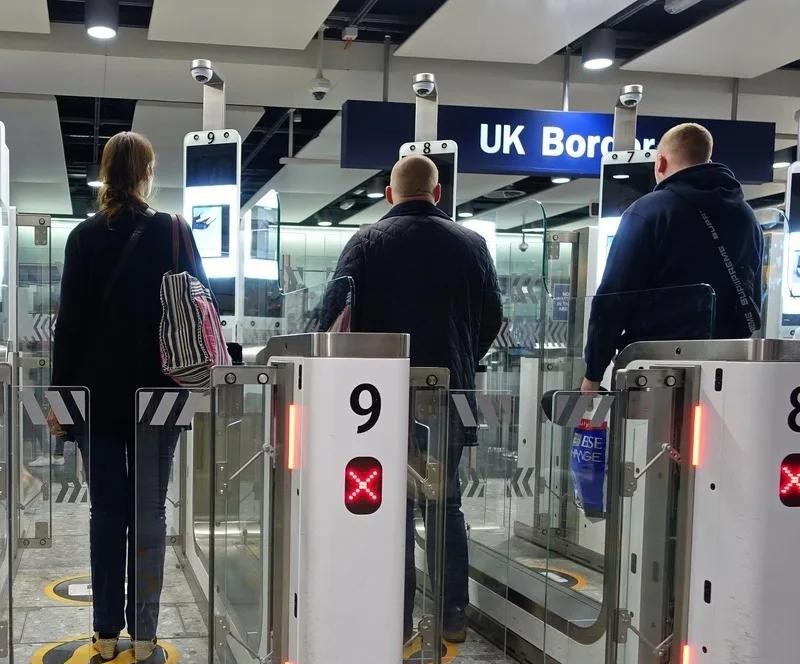
While there is no official age limit for migration, timing and intent are crucial factors; individuals who have already established careers, families, and stability should carefully consider uprooting themselves, especially if migration is through a student or skilled worker route. Unless one genuinely intends to study, a student visa may not be a wise choice. Many who use this route solely to facilitate migration find themselves in legal limbo once their studies are completed.
The costs associated with student migration, visa processing, tuition, and maintenance for dependents are significant. The investment may not yield the expected returns unless the applicant plans to pursue a legal post-study work or residency route.
That said, migration has worked well for many who followed the legal channels, secured legitimate job offers, and relocated through genuine employers. The key lies in planning carefully, following the law, and avoiding risky shortcuts.
For those considering the student route, secure admission to a recognised institution, understand the implications of bringing dependents and be realistic about job prospects
For those pursuing work visas, ensure your prospective employer is authorised to sponsor visas and avoid unverified agencies.
Asylum is another pathway, but it is only for those facing persecution, war, or humanitarian crises, and the process involves strict international criteria.
Regardless of the route, prospective migrants must possess all the necessary documentation and apply only through official government channels. Fraudulent schemes, fake visas, and “guaranteed job” offers are dangerous and must be avoided.
In conclusion, for many, living abroad has delivered on its promise of a better life, personal safety, and economic stability. However, for that dream to come true, it must be rooted in legitimate planning, realistic expectations, and informed decisions. Migration is not a shortcut to wealth or success. It can lead to deep frustration, financial loss, and lasting regret if not carefully prepared. But with the right approach, it can be a transformative and fulfilling journey.