
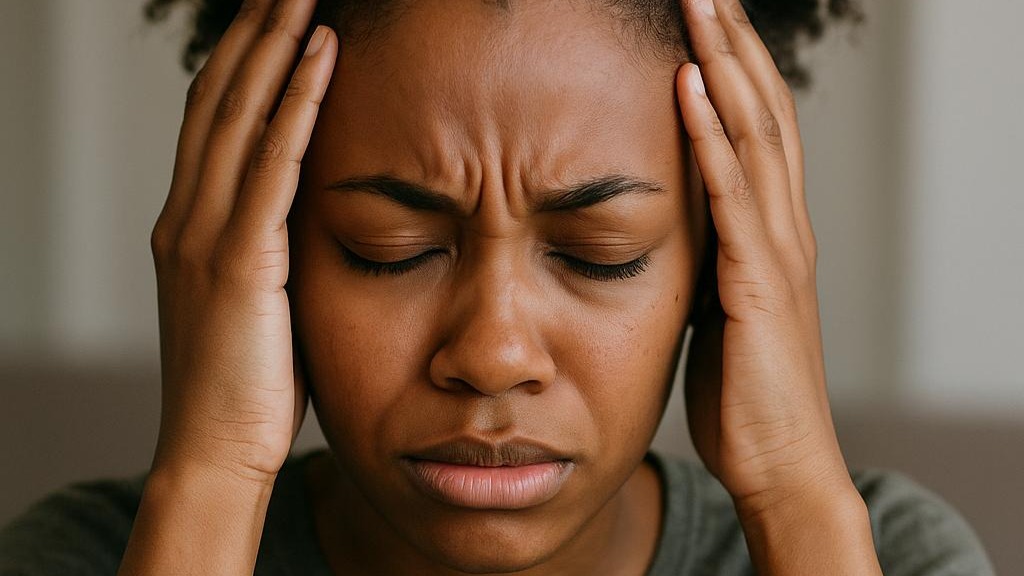
From a purely factual and medical point of view, and as often observed in consulting with Patients, stress can lead to many negative symptoms, such as permanent restlessness and sleep disorders, and affect our emotional well-being. It can also result in social withdrawal and adversely impact our relationships, etc. If left unmanaged in the long term, it can lead to an increased risk of depression, high blood pressure, obesity, stroke and type 2 diabetes.
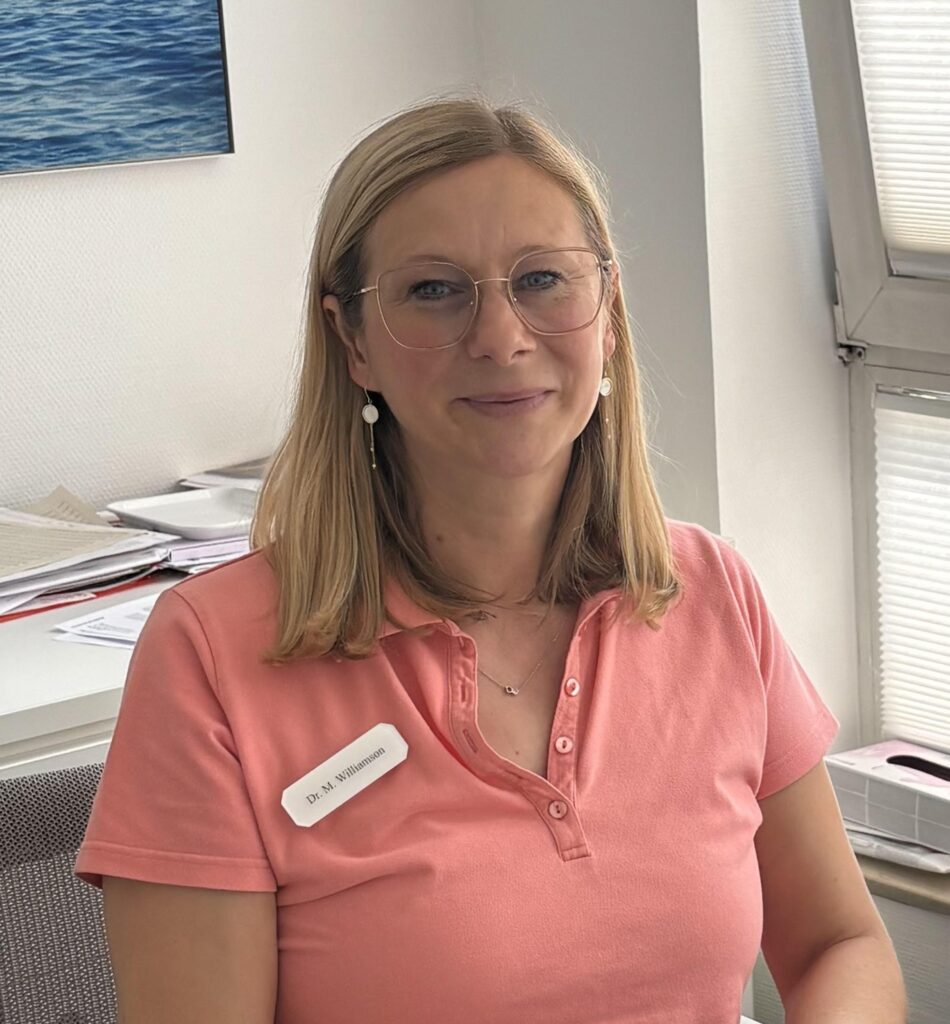
Personally, even as a medical doctor, I have also been affected by stress symptoms. At the beginning of the year, a severe bout of pneumonia took me out of my daily routine. During the typical end-of-year stress (who doesn’t know it), I forced myself to get up and work despite feeling that something wasn’t quite right. I felt pain at night and pain when breathing – which got worse and worse as time went on. I ignored the obvious warning signs from my body while carrying on with my daily, stressful routine.
However, I had to painfully admit to myself that all was not well when I had a fever on New Year’s Day. The pain became so severe that I could no longer turn around. Interestingly, my colleagues and friends later disclosed to me that the warning symptoms were so obvious, but nobody said anything because, as a medical doctor, I should know better.
I have been thinking about the best way to manage stress, particularly the kind we contend with every day, whether it’s family issues, money worries, work, or turning on the news channels with all the frightening stories from around the world. I needed to understand the situation better, especially as someone who is always on the alert and sensitive to all stimuli. I decided to try something novel to me, something my cousin recommended – a meditation course. It was a good idea and worth trying.
With my husband’s support, he is much more at peace with himself and can block out unpleasant noises and feelings. I learnt in the course something straightforward: breathing. Breathing has taken on a whole new meaning for me. I can no longer take it for granted. We have learnt techniques for focusing on ourselves through deep abdominal breathing, letting go of our thoughts and calming the chaos in our heads.
Now, things like waiting for the train no longer bother me. I breathe and feel my diaphragm relax after a long and exhausting day. I no longer take it personally that the train isn’t punctual right when I want to go home. It makes such a difference when you notice how constricted your breathing is. I see little things in my surroundings that I hadn’t noticed before; the birds are singing again. And why was I always rushing around?
Reducing stress is essential for all of us, considering its harmful impact on our health on so many levels. Things are more challenging than ever. Imagine how many people today who are experiencing health issues no longer keep up with the fast pace of everyday life. I recommend looking inward, breathing deeply into your belly, and writing down short sentences of gratitude. You can also recite them silently during brief moments, such as when you’re taking a break or being criticised. I now appreciate small, meaningful conversations with colleagues, patients, neighbours, friends, and family much more, with a new openness and more smiles. Trying to pay more attention in silence, which used to be difficult for me, may slow the world down.