
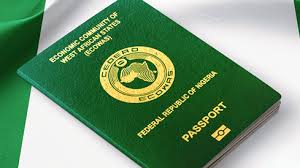
The Nigerian Passport ranks 95th globally, offering only 45 visa-free destinations, per visaindex.com. More troubling, it ranks 49th out of 54 African countries, according to Hanley and Partners, a passport performance monitor. The Passport application process, in itself, is plagued by inefficiency, complexity, and high costs, exposing a system that urgently needs reform.
Many holders have observed that the green passport often exposes innocent Nigerian citizens to extra and sometimes embarrassing scrutiny at various international entry points. Yet, the greatest challenge is not global perception. The major problem is the overwhelming obstacles citizens—especially those in the Diaspora—face just to apply for one.
To apply for a Nigerian passport, one must first have a National Identification Number (NiN). Getting the NiN requires attestation of birth, which costs $20—even if a birth certificate exists. As the application process unfolds, a certificate of state of origin from your local government in Nigeria is also required. This certificate can be difficult for those born abroad to obtain.
A smooth application for the NiN is never guaranteed due to network issues, outdated equipment, and shortcomings of the issuing authority. Sometimes, it may last a long time. Recently, for instance, the system paused for three months due to agency changes, making the process even harder rather than simplifying it afterward. Though labeled an upgrade, only fees increased: Diaspora applicants now pay between 120€ and 150€ per person, depending on the vendor. At this rate, the cost of NiN alone for a family with children is better imagined. Only after this process can one apply online for a passport, book an appointment, pay ever-increasing fees, and incur additional travel costs to the nearest consulate or embassy for biometrics.
Authorities seem to increase passport fees every six months, often neglecting their citizens. Not long ago, the passport cost for children was $77, and for adults, $112. Now, both pay $163 for a five-year passport and $243 for a ten-year passport. Applicants also pay a €30 administration fee at the embassy. There is an additional €100 fee for an express application, which guarantees issuance within 2 weeks. Otherwise, the passport can take two months or more. At this rate, a passport could cost an estimated €550. The cost increases further when you add the State of Origin certificate and trip to the Embassy, totalling about €750 to €800.
A Nigerian passport is much more expensive than in other countries. The German passport, for example, is ranked in the top three globally. It takes only five working days and costs €171. It’s even less for children. In contrast, the Nigerian passport, once a source of pride but now lowly valued, may be the most expensive passport in the world.
There is a lot of confusing information online, especially for first-time applicants. Many people visit the wrong website and end up paying by mistake. Some transfer money directly to the embassy’s account, unaware that payment is accepted only online via Visa or Mastercard after completing the application forms. These applicants do not receive refunds.
Despite various reforms, the Nigerian passport application process has only grown more complicated and costly, underlining the urgent need for systematic change.
The Nigerian passport payment operators have changed at intervals, but the results remain the same. Accusations of fraud and incompetence continue. Reports say people’s accounts are charged repeatedly after paying for a passport with credit cards. A recent payment provider was reportedly involved in massive fraud. People’s accounts were debited up to 3,000 euros for services already provided. Many families, for example, made group payments for passport applications ranging from 500€ to 900€. Yet the firm continued debiting the same amount. In some cases, this continued for a year after applications were finished.
When contacted, the firm blamed hackers. This leaves one to wonder why hackers defrauded applicants through just one company. To make it worse, account statements showed the debited funds went into the same Immigration Service account as usual payments. Fortunately, some European banks recovered the money. But not everyone was lucky.
With the current payment provider, passport fee confirmation reportedly takes weeks or months. Multiple emails may be needed.
The government must closely monitor passport applications and establish genuine feedback channels. It must prioritize accountability and accessibility for a fairer system.
Getting an international passport should not be a major problem, especially for diaspora citizens who want to visit home.
Anthony Chukwuka is a freelance Writer.